

ASEAN Sets Transformation Agenda as ASEAN Tourism Forum Heads to Singapore in 2027
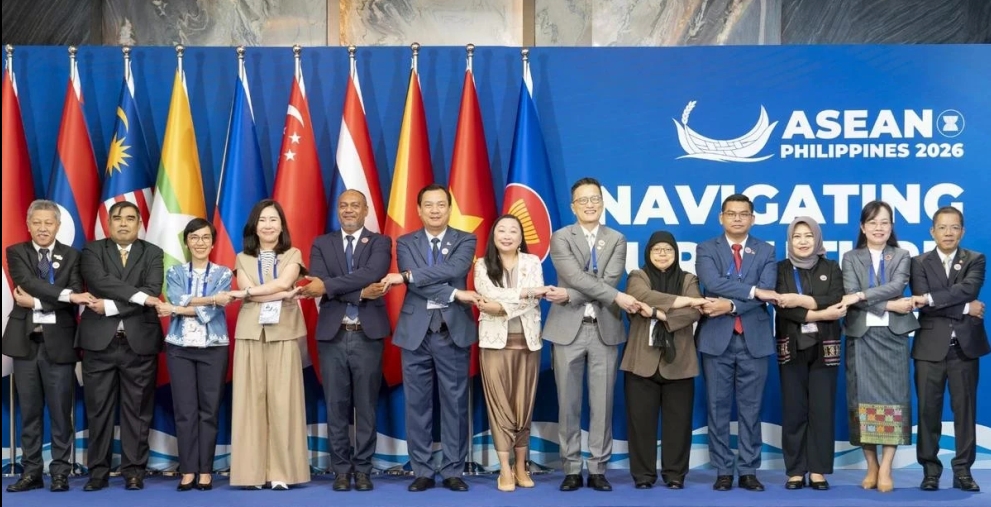 Cebu, Philippines, February 8, 2026 / TRAVELINDEX / ASEAN tourism leaders have endorsed an ambitious five-year roadmap to steer the region from post-pandemic recovery towards long-term transformation, as the curtain fell on the ASEAN Tourism Forum (ATF) 2026 in Cebu, Philippines.
The Declaration on the Implementation of the ASEAN Tourism Sectoral Plan 2026–2030 was unveiled during the ASEAN Tourism Conference, signalling a decisive pivot from restoration to reinvention of South-east Asia’s visitor economy.
The plan aligns with the bloc’s ASEAN Vision 2045, the 20-year development blueprint endorsed by leaders in May 2025. Under Vision 2045, tourism is positioned as a key engine of quality growth, resilience and meaningful job creation across the region.
In his opening address, ASEAN deputy secretary-general Satvinder Singh underscored the sector’s economic weight. Tourism generated nearly US$400 billion in 2024 – close to 10 per cent of regional GDP – and supported some 42.5 million jobs. In 2025, South-east Asia welcomed 144 million international arrivals, up 13.4 per cent year-on-year, with almost 48 million travellers coming from within ASEAN.
However, Singh cautioned that the operating landscape is becoming more complex, citing climate change, digital disruption, geopolitical uncertainty and intensifying global competition as mounting pressures.
The new sectoral plan, alongside the ASEAN Tourism Marketing Strategy 2026–2030, is designed to help member states shift “decisively from recovery to transformation”. It is structured around five interlinked priorities: resilient tourism; workforce empowerment; accessible and seamless travel; digitalisation and product diversification; and sustainability.
Philippines spotlights resilience and connectivity
As ATF 2026 host and lead country coordinator for the sectoral plan, the Philippines demonstrated how national policy is tracking the regional agenda.
Tourism secretary Christina Garcia Frasco highlighted the country’s experience with climate resilience – a theme made starkly relevant by recent floods, earthquakes and extreme weather events affecting Cebu and other destinations.
She pointed to ongoing initiatives including large-scale skills training, emergency cash assistance for displaced tourism workers, visa liberalization and strengthened air connectivity. Cebu alone secured 12 new international routes in 2025, reinforcing its position as a regional gateway.
Frasco also cited the Philippines’ digital nomad visa, expanded visa-free access for key markets, partnerships with global payment platforms and the Philippine Experience Program, which promotes culture, heritage, gastronomy and emerging destinations to disperse visitor flows and boost spend.
Financing transformation
Scott Morris, vice-president for East and South-east Asia and the Pacific at the Asian Development Bank (ADB), observed that the region’s rebound has been fuelled by robust intra-ASEAN travel and renewed long-haul demand.
“Countries are transitioning away from volume-led models towards higher-value and more diversified forms of tourism,” he said.
ADB has committed more than US$4 billion to tourism-related projects and maintains a US$3 billion investment pipeline through 2030, underscoring growing institutional backing for sustainable and inclusive growth.
ASEAN Dialogue Partner Russia also signaled deeper engagement. Igor Maksimov, deputy director general at the Ministry of Economic Development of the Russian Federation, said Moscow stands ready to support member states through technical cooperation and capacity building, spanning smart city management systems, large-scale tourism investments and workforce training.
Handover to Singapore
ATF, which rotates alphabetically among member states, will head to Singapore in January 2027.
The handover was marked with a by-invitation dinner at the Nustar Convention Center, featuring a performance by Singaporean vocal ensemble The Island Voices.
Edward Koh, executive director, International Group HQ & Oceania at the Singapore Tourism Board, said the city-state is “honoured to host the next ATF in January 2027”.
Held during ASEAN’s 60th anniversary year, ATF 2027 will adopt the theme “Transforming Tourism, Empowering Tomorrow”. Koh said Singapore will facilitate discussions reflecting on six decades of regional partnership and ASEAN’s continued evolution as a sustainable, inclusive and resilient tourism destination.
The 2027 edition is expected to spotlight the breadth of ASEAN’s tourism offerings to international buyers and media, while creating platforms for stakeholders to forge partnerships, exchange best practices and expand market reach.
Traditionally, ATF comprises closed-door ministerial and senior officials’ meetings, Travex, its B2B trade exhibition – and the ASEAN Tourism Conference. As Cebu signs off, the message from industry leaders is clear: recovery has given way to reform, and ASEAN’s tourism future will be defined less by volume and more by value, resilience and shared regional ambition.